Where We Go When the Wind Is Strong
Wind rarely cancels a day on the Adriatic — it changes where we go. How bura, jugo and maestral shape a boat tour from Split.
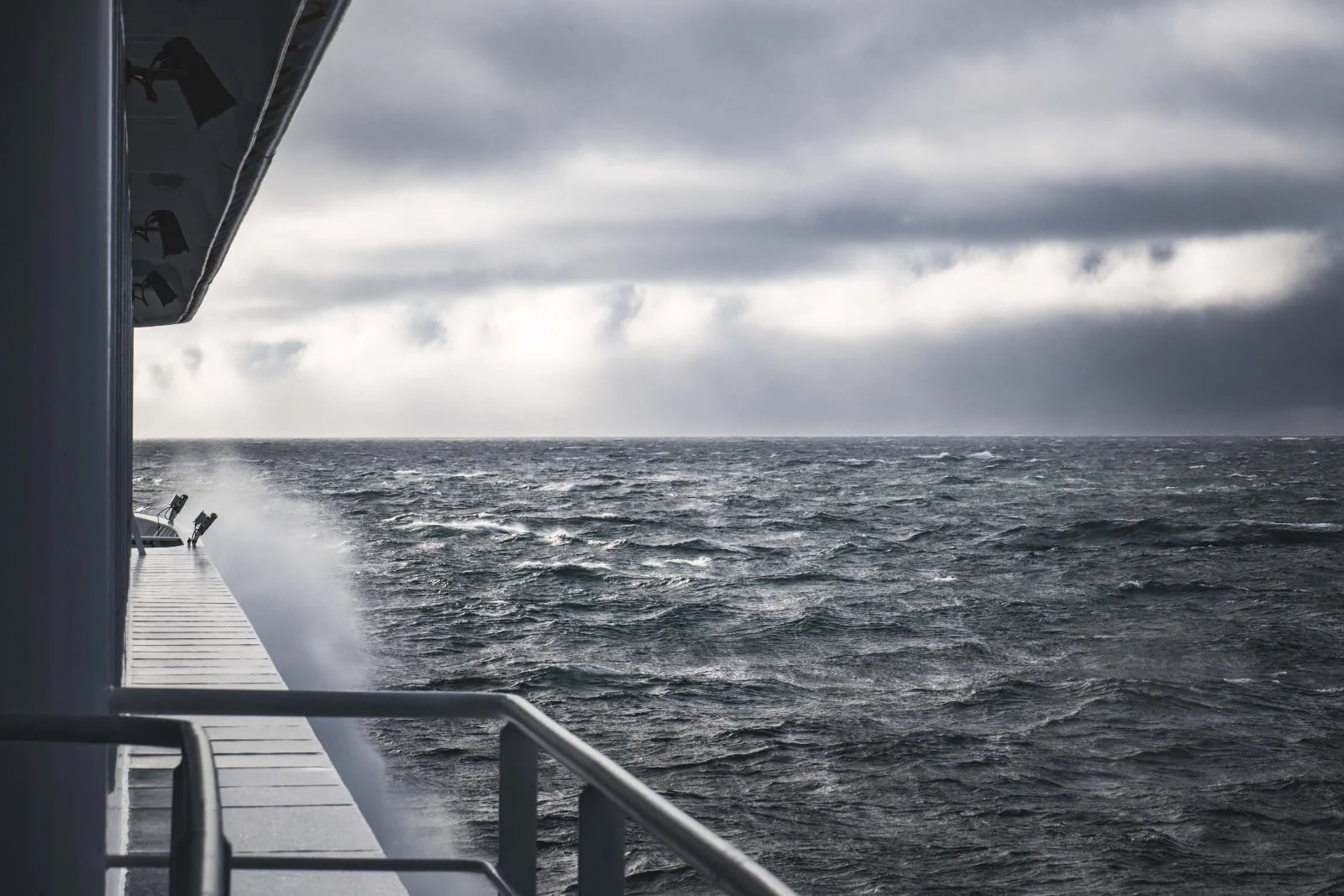
The night before a tour, we get a version of the same message almost every week.
"We saw the forecast. Is the trip still happening?"
Usually, the answer is yes.
Not because we ignore the wind.
Because on this coast, wind almost never decides whether you go out.
It decides where.
The forecast is not the sea
An app will give you a number for Split.
That number is an average over a wide area, and the Adriatic here is not a wide open area.
It is a channel between the mainland and Brač, another channel behind Šolta, a gap between Hvar and the Pakleni Islands, and open water beyond Vis.
Each of those behaves differently in the same wind.
Twenty knots on a phone can mean a flat morning in one bay and an uncomfortable crossing forty minutes away.
So we read the forecast, then we read the sea.
Which direction the wind is coming from matters far more than the number attached to it.
Bura — fast, dry, and gusty
Bura comes down off the mainland mountains from the northeast.
It arrives in gusts rather than a steady push, and it can go from calm to strong in minutes.
It also clears the air completely. Bura days have the best visibility of the year — you can see Vis from Split.
The important thing about a northeast wind is that the islands sit between it and the water on their far side.
So in bura we go south.
The southern coast of Šolta, the lee of Brač, the bays on the sheltered side of the Pakleni Islands — these can be almost flat while the channel outside is white.
What we avoid in strong bura is the long open crossing. The run out to Biševo and back leaves the shelter of the islands for a good part of the day, which is exactly what you don't want when the gusts are unpredictable.
If you booked the Blue Cave day and bura is forecast, we'll usually suggest moving to Hvar and the Pakleni Islands instead, and saving the cave for a calmer day.
Jugo — slower, heavier, and more honest
Jugo comes from the southeast and behaves the opposite way.
It builds gradually over hours rather than arriving in bursts, and it comes with humidity and often rain.
Because it travels a long way up the Adriatic before it reaches us, it brings swell with it — long waves rather than short chop.
In jugo we go north.
The channel behind Trogir, the northern coasts of Šolta and Brač, the water closer to the mainland — all of it sits in the shelter of the land when the wind is from the south.
Jugo is also the wind most likely to close the Blue Cave itself. The entrance faces the wrong way for a southeasterly swell, and when the sea is running into it, entry gets suspended regardless of how the day looks from Split.
That is worth knowing before you build a holiday around one particular cave.
Maestral — the wind that is supposed to be there
The maestral is not bad weather.
It is a thermal wind that builds most summer afternoons — light in the morning, filling in from the northwest around midday, blowing ten to twenty knots through the afternoon, and dying away in the evening.
It is the reason summer afternoons on the Adriatic have small waves even on a beautiful day.
It is also the single best argument for leaving Split early.
The morning is glass. The afternoon has texture.
So on a normal July day we want the long crossings and the exposed swimming stops done before lunch, and the sheltered bays and the slow part of the day after it.
That is not a compromise. It's just the right order.
When we actually call it off
There are days when none of this helps.
Strong sustained wind, a big swell, or a forecast that would make the day uncomfortable rather than merely different — those are days when moving the stops around isn't enough.
When that happens we tell you, and you reschedule or take a full refund. No argument, no partial-day negotiation.
We would rather lose a booking than run a day you don't enjoy, and we would much rather have that conversation the evening before than at the pontoon at eight in the morning.
The one thing we won't do is take you out and quietly shorten the trip because conditions turned.
What this means if you're booking
A few practical things worth knowing.
Don't cancel your day because of a forecast you saw four days out. Adriatic forecasts firm up inside 48 hours and change a lot before that. We'll be watching it and we'll message you.
Book the Blue Cave early in your trip if you can. It is the most weather-dependent thing we do. If you have a spare day later in the week, we can move it. If it's your last day, we can't.
Tell us if anyone on board gets seasick. It changes which side of which island we choose, and it's much easier to plan around before we leave than after.
A windy day is not a worse day. Some of the best trips we run are bura days — clear air, sharp light, empty bays, and nobody else out. The famous places are quieter because everyone else stayed home.
Reading the wind is most of what a local skipper actually does.
Anyone can follow a route in perfect conditions.
The useful knowledge is knowing which bay is calm when the channel isn't, and having somewhere better to be when the plan stops making sense.
That's the part we can't put in a brochure — but it's the reason the day still works.
If you're planning a trip and unsure about timing, tell us what you have in mind and we'll be straight with you about it.